
CSW70: A Historic Step Toward Justice for Women and Girls
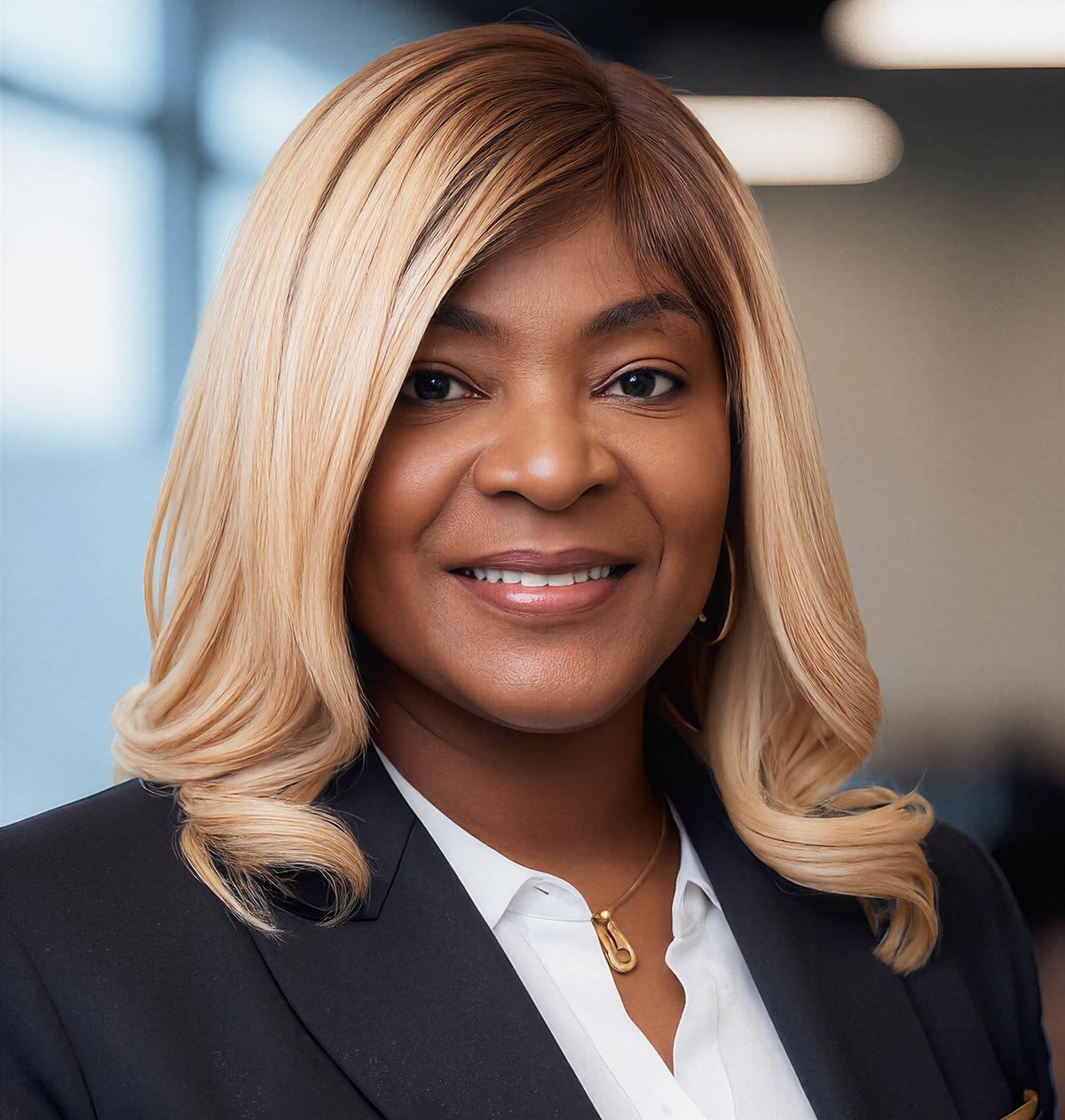
Image: Cassandra A. Tindal, CEO of IMAG Media Inc., Synergetic Media Architect, Producer, and Editor-in-Chief of Womenz Straight Talk Magazine.
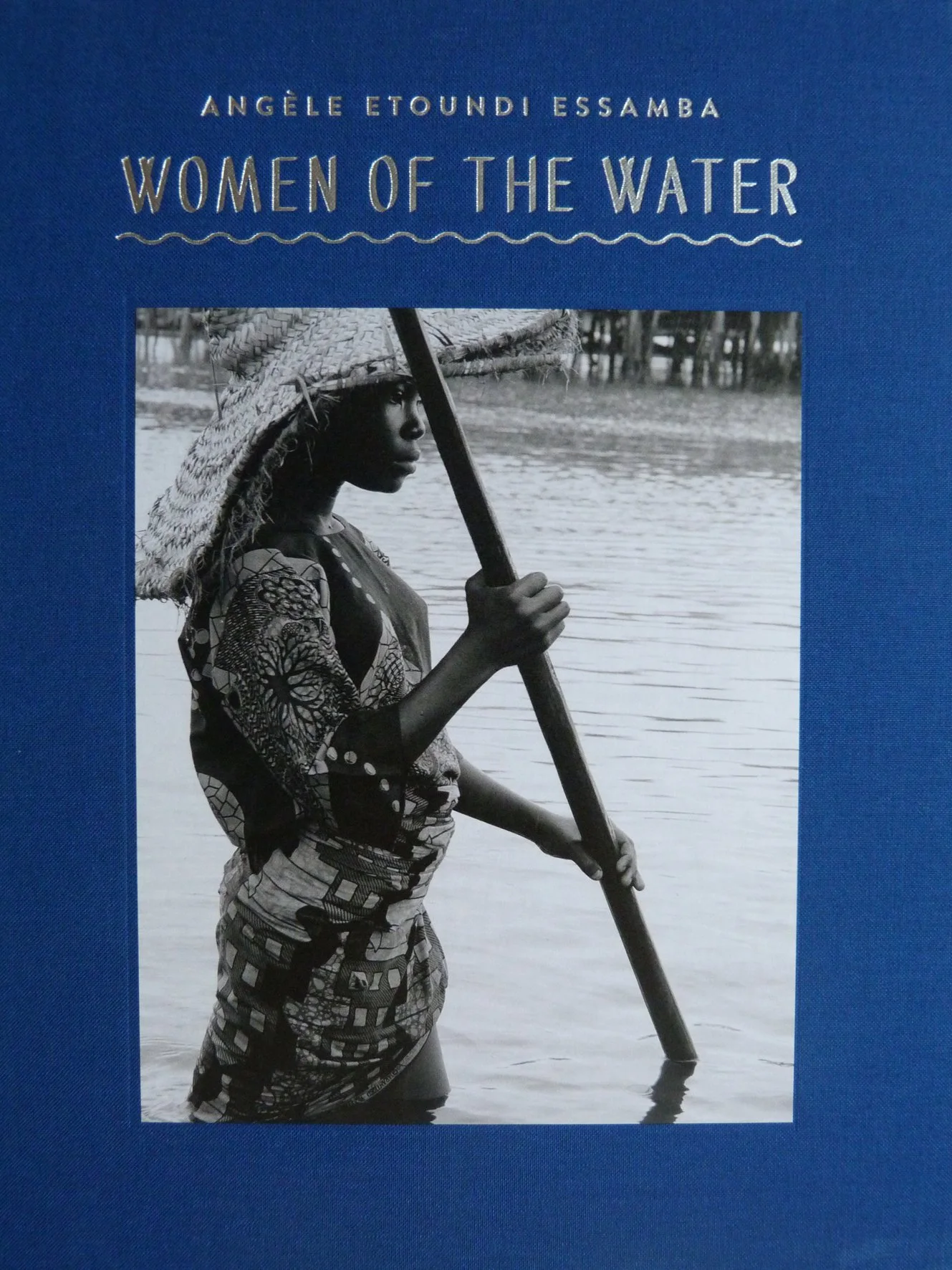
WOMEN OF THE WATER | English | French, Ganvie, Benin 2013
29×24 cm 160 pages - Full color Hard cover.
IMAGE: Photo Stock_ AI Image of Diverse Women Representing Gender Equality, and Empowerment.
CSW70: A Historic Step Toward Justice for Women and Girls
When the Commission on the Status of Women convened for its seventieth session earlier this month, the message from UN Women Executive Director Sima Bahous was both a warning and a rallying cry: the headwinds are strong, but our shared resolve is stronger.
Held at UN Headquarters in New York, CSW70 marked a pivotal moment for gender equality. For the first time under its revitalized format, the Commission delivered agreed conclusions that firmly place women's and girls' access to justice at the center of the global gender equality agenda. Delegates from 190 Member States, including two Heads of State, five Deputy Prime Ministers, and seventy-five Ministers, joined more than 4,600 civil society representatives to hammer out breakthrough language that acknowledges what advocates have long known—discriminatory laws and structural barriers continue to fail women and girls.
The agreed conclusions urge governments to review discriminatory laws ranging from child marriage to family and property rights. They call for strengthened measures to address violence against women and girls, both online and offline, and emphasize the need for accountability alongside timely, trauma-informed access to justice for survivors. In a significant first, the text explicitly recognizes community justice workers and paralegals as essential actors in expanding access to justice. It also acknowledges women in detention and the gendered pathways that lead to their incarceration, while advancing gender-responsive transitional justice mechanisms and administrative reparations for women surviving conflict and crisis.
The session itself was a testament to what collective action can achieve. Beyond the formal negotiations, CSW70 introduced new features to enrich the dialogue: a multi-stakeholder hearing, a high-level meeting on violence against women and girls that brought together over eighty ministers, and a dedicated ministerial roundtable focused on the rights and empowerment of older women. Across 255 side events, civil society activists and leaders—young and elder—made their voices heard, calling for bold measures to bring justice closer to the lives of all women and girls.
As Bahous noted in her closing remarks, the Commission's work is measured not in pages of text but in lives changed. From Afghanistan to Gaza, the Democratic Republic of Congo to Sudan, women in crisis contexts pay the highest price when justice systems fail. The agreed conclusions of CSW70 represent a vital step toward ensuring that no woman or girl is left behind.
Looking ahead, CSW71 will assess progress on the Sustainable Development Goals, with the sobering reality that no Goal 5 indicators—those measuring gender equality—have been fully met as the 2030 deadline approaches. But for those who gathered in New York this March, the message was one of resolve. With a new UN Secretary-General to be elected this year, Bahous offered a vision of what remains possible: a Madam Secretary-General opening the Commission next year.
The world is watching. Women and girls are counting. And if CSW70 proved anything, it is that when women show up—in government halls and grassroots spaces alike—justice moves closer, one agreement, one voice, one story at a time.
When Water Flows, Equality Grows: A World Water Day Message
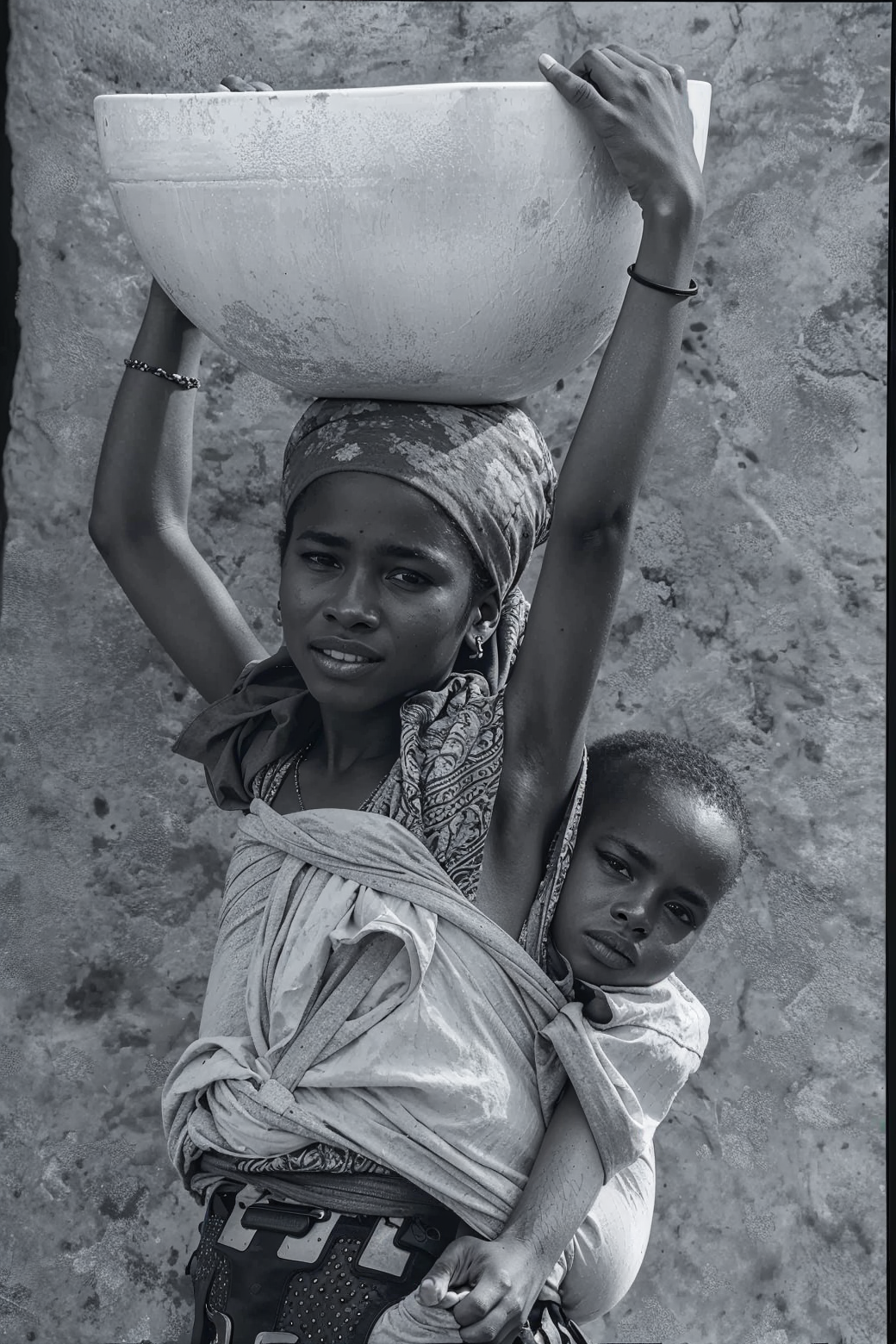
Image: Institute for Water and Well Photography_African Women.
Water lies at the heart of our shared future—essential for life, health, food, and livelihoods. Yet for billions of people, access to safe water and sanitation remains out of reach. And while the global water crisis affects everyone, it does not affect everyone equally.
In her message for World Water Day, observed on 22 March, UN Women Executive Director Sima Bahous underscored a truth that has been recognized for three decades: women and girls bear the greatest impacts of unequal access to water. Every day, they spend millions of hours collecting water, caring for families, and managing scarcity—often at the cost of their education, income, health, and safety .
The numbers tell a stark story. According to the 2026 UN World Water Development Report released by UNESCO, 2.1 billion people worldwide still lack safely managed drinking water. Women and girls shoulder the burden disproportionately: they spend a collective 250 million hours every day fetching water—time that could otherwise be devoted to education, work, or rest . In more than 70 percent of unserved rural households, women are primarily responsible for water collection, often walking long distances under unsafe conditions .
The consequences extend far beyond time lost. Girls under 15 are more likely than boys to be tasked with water collection, and millions of adolescent girls have missed school or work due to inadequate sanitation facilities. Long journeys expose women and girls to physical strain, health risks, and gender-based violence .
Yet despite their central role in water management at the household level, women remain significantly under-represented in water governance. Data from 64 utilities across 28 low- and middle-income countries shows that fewer than one in five water workers are women, and their participation in leadership roles is even lower .
Climate change is intensifying these disparities. Rising temperatures, water scarcity, and hydro-meteorological disasters disproportionately affect women in water-stressed regions, increasing their workload while limiting their access to early-warning systems and recovery support .
But as Bahous emphasized, women are not only the most affected—they are also powerful agents of change.
This year's World Water Day theme, "Water and Gender Equality—Where water flows, equality grows," calls for a transformative, rights-based approach that places women's leadership at the center of water solutions. The 2026 UN report urges governments to remove legal barriers to women's equal rights to water and land, invest in gender-responsive water governance and financing, strengthen women's technical capacity in water-related fields, and ensure that no woman or girl is left behind .
This reality was already recognized thirty years ago in the Beijing Declaration and Platform for Action, which underscored the central role of women in environmental sustainability and called for their full participation in the management and safeguarding of natural resources, including water. Today, those commitments are more urgent than ever .
"Water can be a force for equality, resilience, and prosperity," Bahous said. "Together, let us make it so: for all women and girls, for communities, and for generations to come" .