The Ocean Is Sending an SOS — And It's Time We Answer
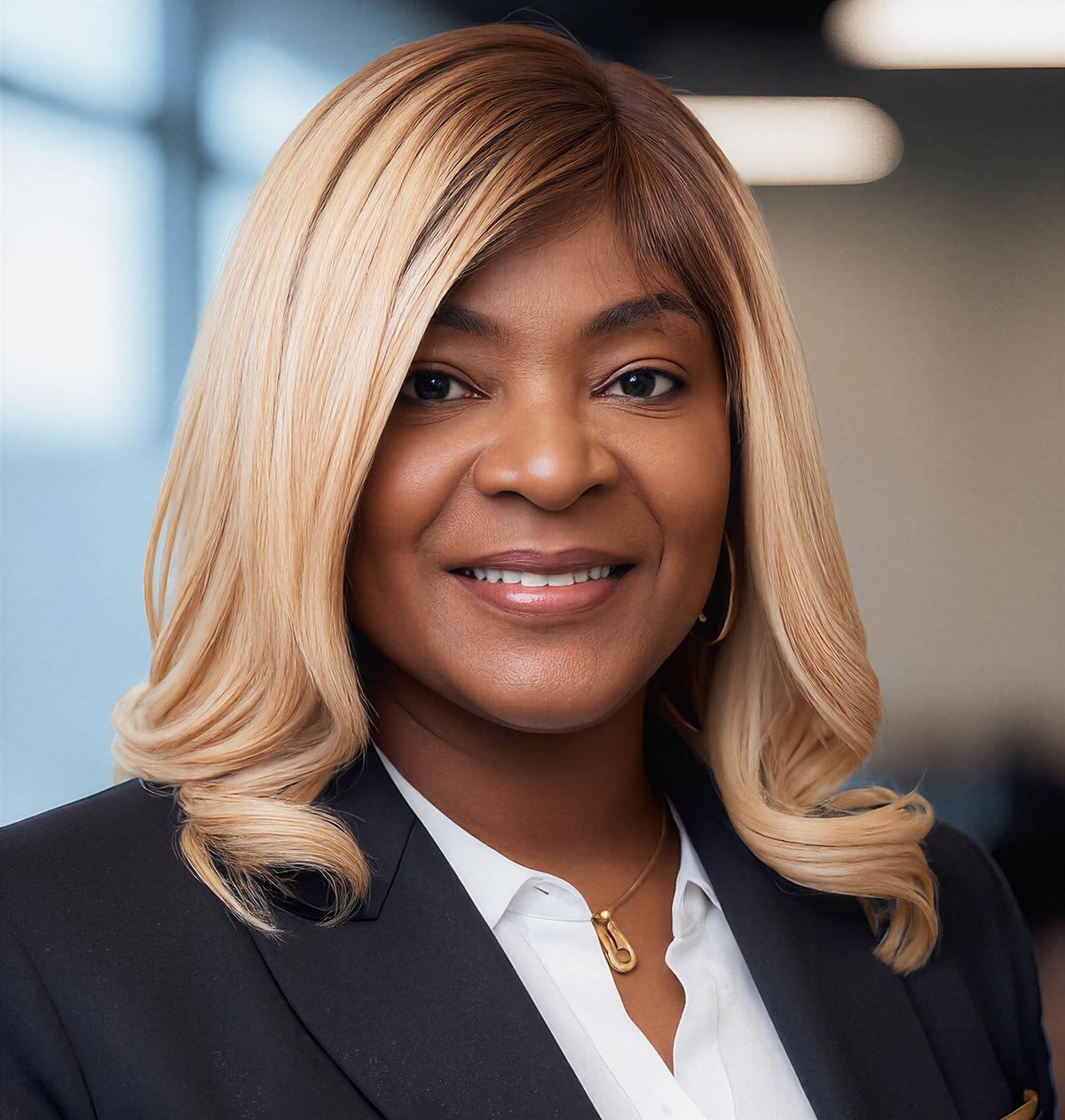
Image: Cassandra A. Tindal, CEO of IMAG Media Inc., Synergetic Media Architect, Producer, and Editor-in-Chief of Womenz Straight Talk Magazine.
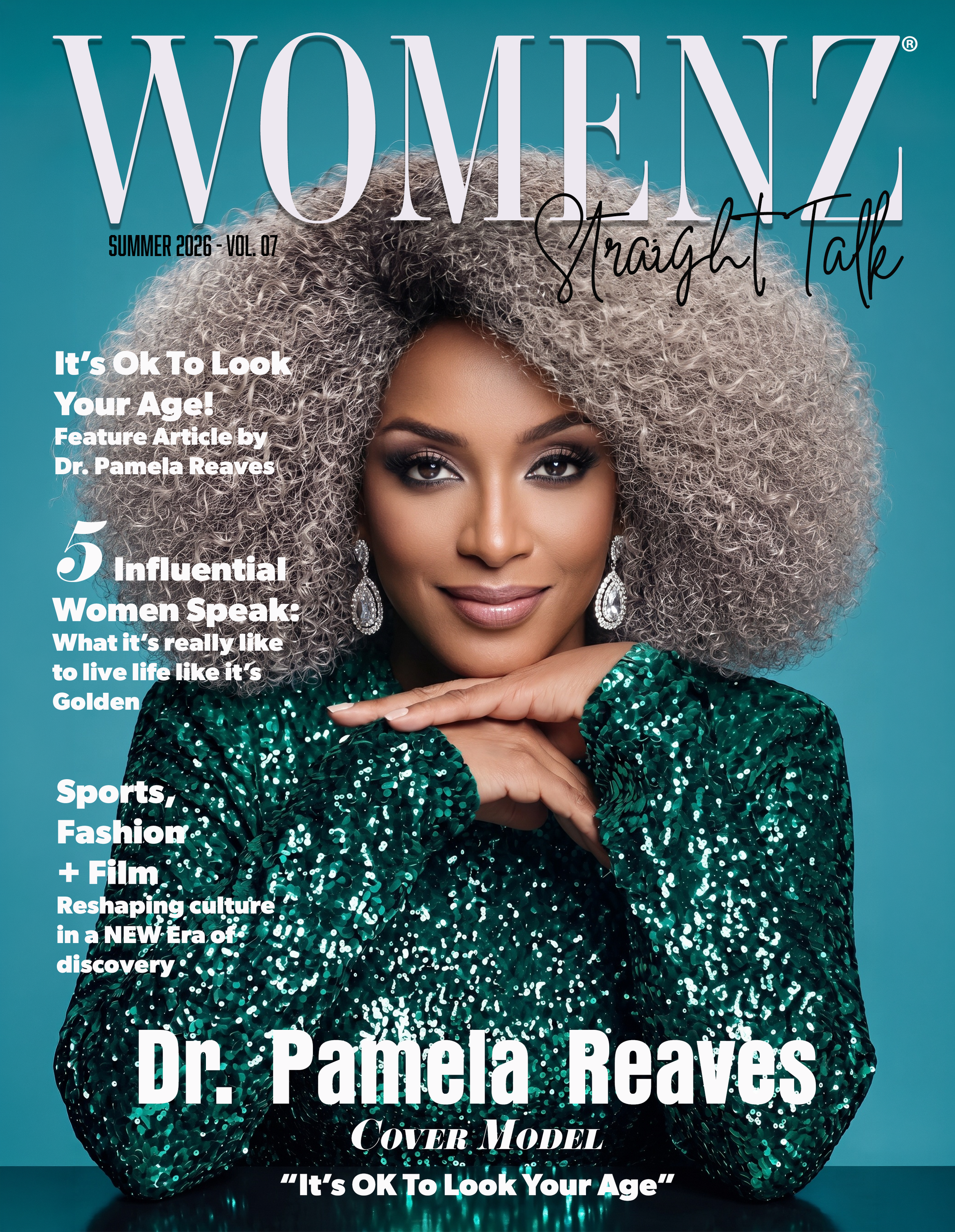
Summer 2026 Issue_Vol. 07
(Womenz Straight Talk Article)
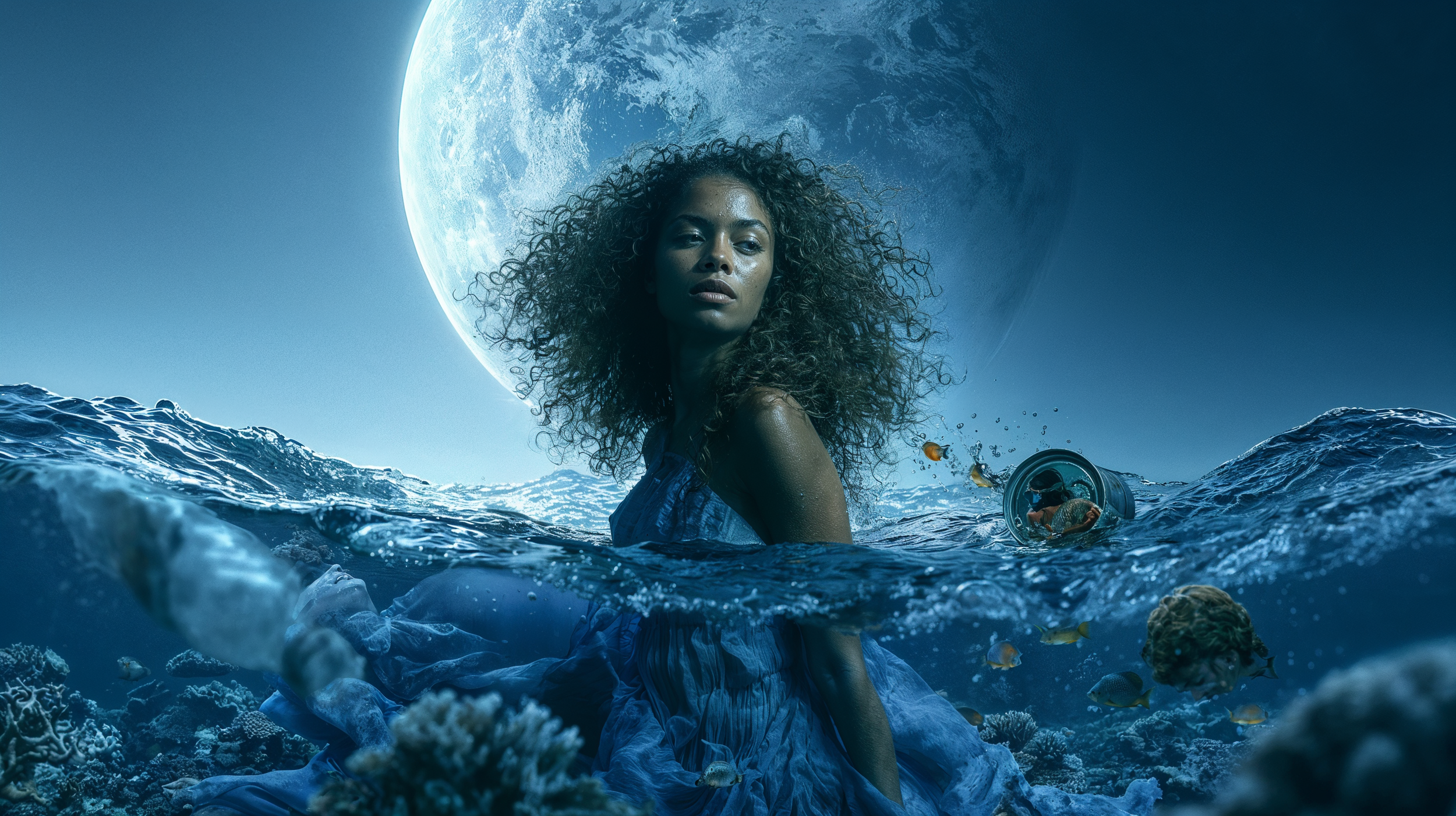
IMAGE: Design Concept, AI Photography: By Cassandra A. Tindal
A landmark UN report drops on World Oceans Day with a sobering message: the seas that sustain us are in crisis. Here's what every woman needs to know.
By the Womenz Straight Talk Editorial Team | June 8, 2026
Think about the last time you stood at the edge of the ocean — salt air in your lungs, waves pulling at your feet, the horizon stretching out like a promise. That feeling of vastness, of something ancient and enduring? Scientists are now telling us it's more fragile than it looks.
On World Oceans Day, the United Nations released its third World Ocean Assessment — the most comprehensive scientific reckoning of our ocean's health ever conducted. Nearly 600 experts from 86 countries spent years compiling it. The verdict is not pretty, but it is necessary reading.
The ocean is in trouble. And what hurts the ocean hurts us.
A Crisis Hidden in Plain Sight
The numbers are staggering. Each year, 52.1 million tonnes of plastic waste pour into our oceans, contributing to an estimated 24.4 trillion microplastic particles now swirling through marine ecosystems. Those particles are affecting more than 4,000 marine species — and they're making their way up the food chain, onto our plates.
Sea levels are rising faster than before — accelerating from less than 2 millimeters per year prior to 2015 to 4.3 millimeters per year in 2023. And ocean warming? Roughly 16% of all heat absorbed by the ocean since 1955 has occurred in the last eight years alone. The Atlantic is heating the fastest, followed by the southern stretches of the Indian and Pacific Oceans.
We are also shockingly in the dark about what lies beneath: as of 2025, only 27.3% of the ocean floor has been mapped. We know more about the surface of Mars than we do about our own deep sea.
This Is a Women's Issue
Here's what often gets left out of the environmental conversation: ocean health is not a distant, abstract concern. It is deeply personal — especially for women.
Sixty million people worldwide depend on small-scale fisheries for their livelihoods. Many of them are women in coastal and Indigenous communities who are on the front lines of marine collapse yet remain marginalized from the policy tables where decisions get made. They lack secure access to resources. Their voices are routinely excluded from governance structures that will determine the future of the very waters they depend on.
The UN report is unusually direct on this: embedding gender equality into marine policies is not a feel-good addition — it is critical for achieving sustainable and effective ocean governance. Full stop.
Beyond livelihoods, there are serious health implications. Chemical contaminants, harmful algal blooms, microplastics, and pathogens are increasingly entering our bodies through the seafood we eat, the coastlines where we swim, and the beaches where we bring our children. As ocean temperatures rise, these threats are intensifying.
The Governance Gap
Here is a glimmer of hard-won hope: there are now 57 global treaties touching on ocean protection, including a recently adopted international agreement on fisheries subsidies and a new accord covering marine biodiversity in international waters. Progress is real.
But the report is honest about the limits. Governance remains fractured — patchwork agreements that don't always talk to each other, uneven adoption of treaties, and gaps in coordination between the bodies managing climate, fisheries, pollution, and biodiversity. The right hand doesn't always know what the left hand is doing, and the ocean pays the price.
One area generating genuine momentum is the integration of Indigenous and local community knowledge into ocean management. The science is increasingly clear: governance models that center traditional knowledge and lived experience are more likely to produce comprehensive outcomes — protecting both ecosystems and the cultural heritage tied to them.
What Now?
UN Secretary-General António Guterres put it plainly at the launch: "We cannot keep treating the ocean as limitless." He called for a new relationship with the sea — one grounded in science, guided by international law, and built on shared responsibility across nations, sectors, and generations.
This year's World Oceans Day theme says it all: Re-Imagine — Beyond the World We Know, A New Relationship with the Ocean. We are being asked to stop being passive inheritors of the ocean's gifts and become active guardians of its future.
That starts with staying informed, demanding better from the policymakers who represent us, and refusing to let these issues stay siloed as "environmental" concerns separate from economic justice, public health, and gender equity. Because they're not separate. They never were.
The ocean has been absorbing our worst for decades. It's time we give something back.